
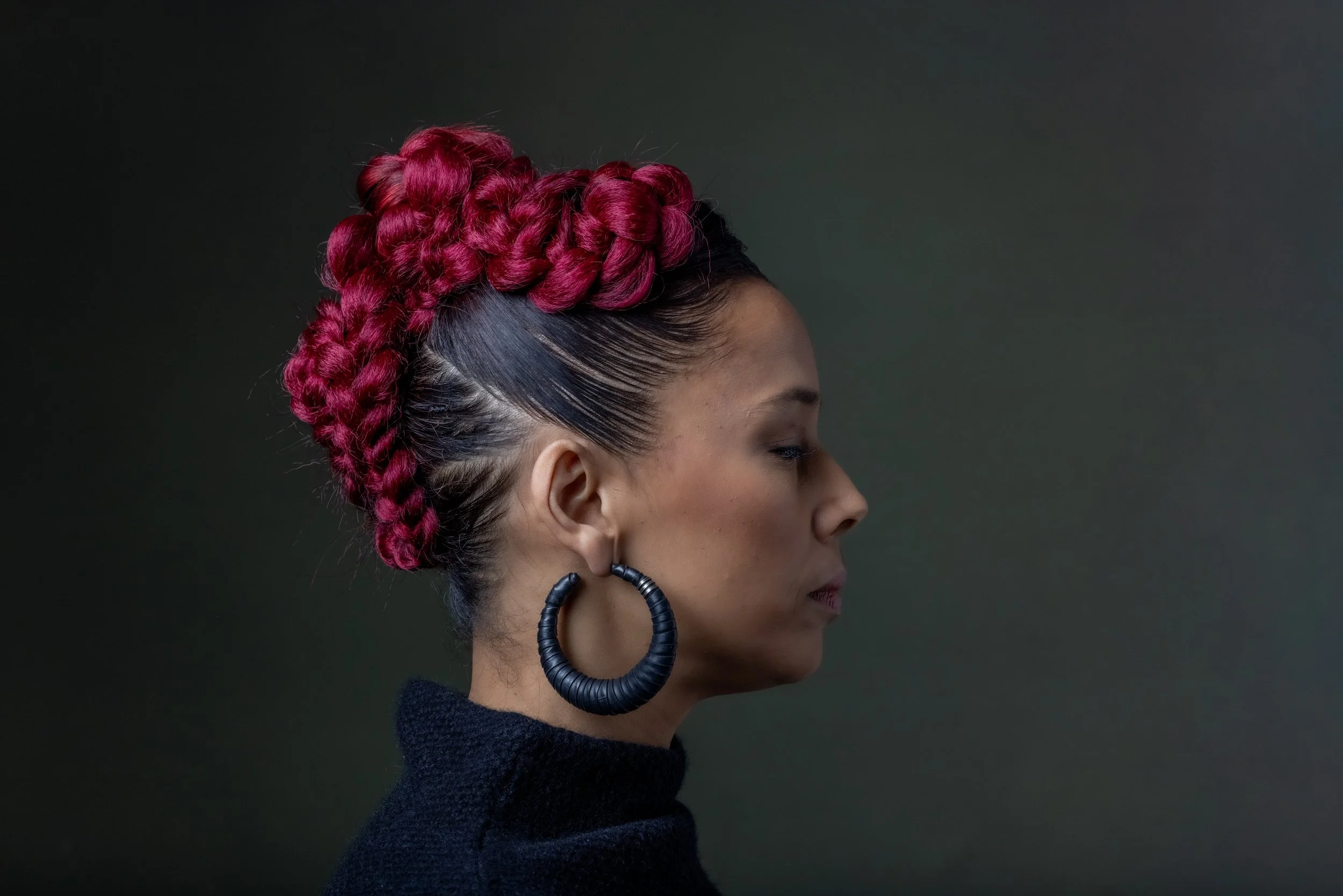
Rhiannon Giddens
Rhiannon Giddens has released four albums under her own name, all on Nonesuch Records. Her fourth album, Hope is the Thing with Feathers, was inspired by the beauty of people coming together and drawing strength from each other. It was intentionally recorded live with no frills and few overdubs, just pure and essential music that captures the feeling of community, clarity, as well as the joy and power of creating together. From exploring the lineages that make American music to the community-oriented spirit in which it was conceived and recorded, in many ways the album tells the story of the past 20 years of Giddens’ life.
Hope is the Thing with Feathers was recorded in sessions nestled within North American tours in 2024 and 2025, at The Cypress House in Breaux Bridge, Louisiana. It was co-produced by Giddens and longtime collaborator and bandmate Dirk Powell, who also engineered and mixed the album.
Giddens’ key collaborators from her career are featured throughout the album. Giddens (lead vocals, minstrel banjo, fiddle) is joined by longtime bassist Jason Sypher, Italian multi-instrumentalist Francesco Turrisi (accordion, percussion), Congolese artist Niwel Tsumbu (guitars), and Louisiana native Dirk Powell on multiple instruments, as well as her very first bandmate and fellow North Carolinian Justin Robinson (vocals, fiddle), her nephew Justin Harrington (bones), Dirk’s daughter Amelia Powell (acoustic guitar, vocals), Charly Lowry (vocals, percussion), and Giddens’ sister Lalenja Harrington.
The album cover is an extraordinary, handmade six-by-six-foot patchwork quilt made by textile artist Uzoma Samuel Anyanwu, based on a photograph of Giddens by Ebru Yildiz.
“Is there anything Rhiannon Giddens can’t sing?...[she] sings with inflections that bridge mountains and deserts.”
— The New York Times
“The electrifying singer and banjo player gives fresh voice to old American traditions.”
— Smithsonian Magazine
“For nearly a decade, Giddens has been heralded as a luminary in the world of Americana, and for some time, she was one of the few African-American faces represented.”
— American Songwriter
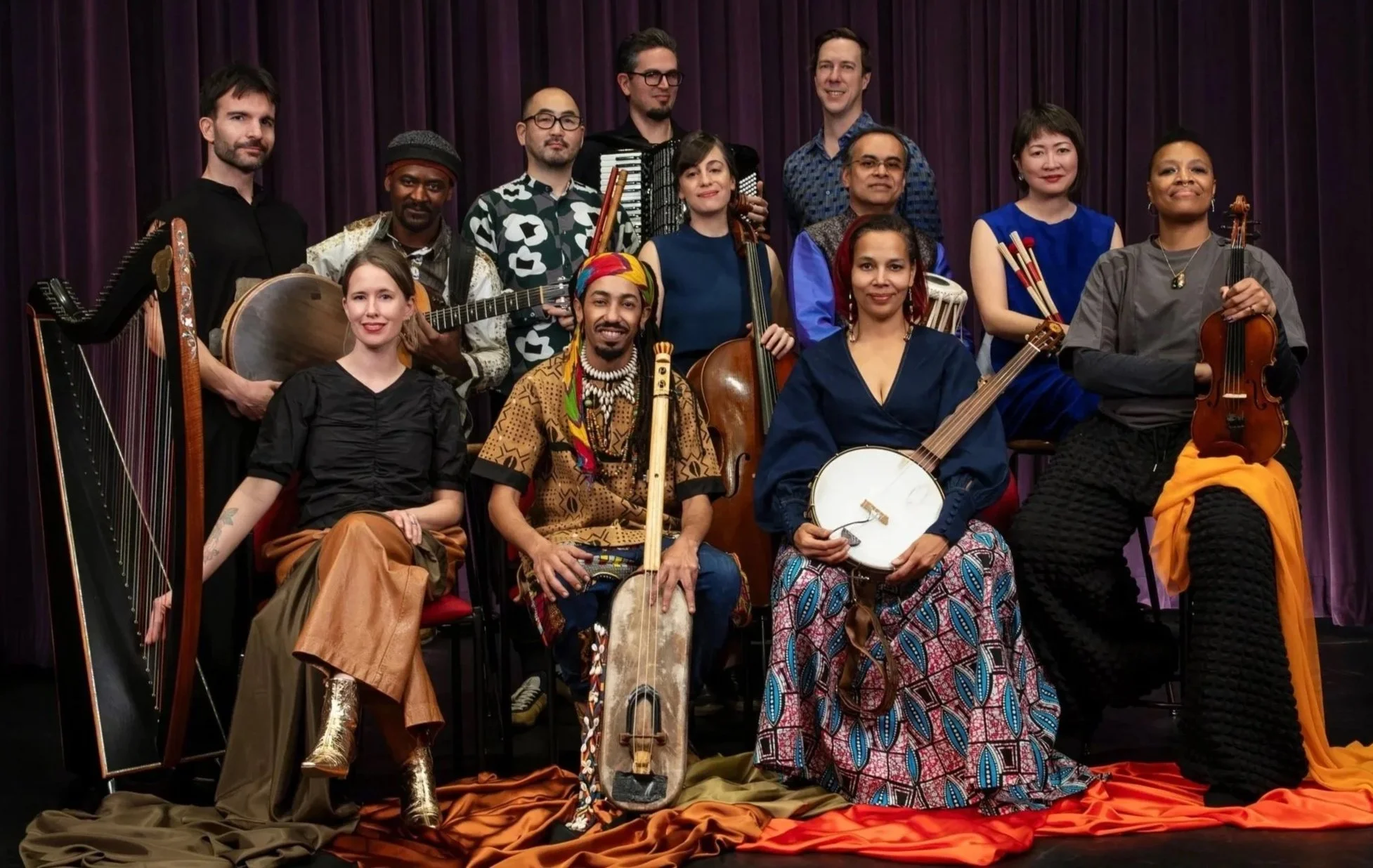
Silkroad Ensemble with Rhiannon Giddens
Rhiannon is the Artistic Director of Silkroad and since assuming that position has spearheaded three major programs: Phoenix Rising, American Railroad, and Sanctuary.
Her latest program with the group, Sanctuary: The Power of Resonance and Ritual, examines how ritual and trance function not only as musical practices, profoundly tied to the communal music-making traditions found in many different cultures, from Morocco to India to Ireland, but as deeply human responses to the challenges of living together in an unsettled world. Drawing from a vast range of global traditions, including Southern Italian tarantella, Moroccan Gnawa, Indian classical music, Japanese farmers’ song, and American folk practices, the program highlights music’s ability to create presence, grounding, and collective meaning.
American Railroad shed light on the profound yet often-overlooked contributions of Indigenous and African Americans, as well as Chinese, Irish, Japanese, and other immigrant communities, to the construction of the U.S. Transcontinental Railroad and connecting railways across North America. Just as the ancient Silk Road facilitated cultural exchange between Asia and Europe, the railroad transformed the American landscape—both uniting and dividing the people whose lives it touched.
Phoenix Rising was a musical rebirth and celebration after the COVID pandemic featuring thirteen Silkroad artists alongside Rhiannon, offered as a collective grieving song and clarion call, uniting audiences through varied cultural experiences to model the group’s vision for a more peaceful and just world as we emerge from a long and stunning upheaval.
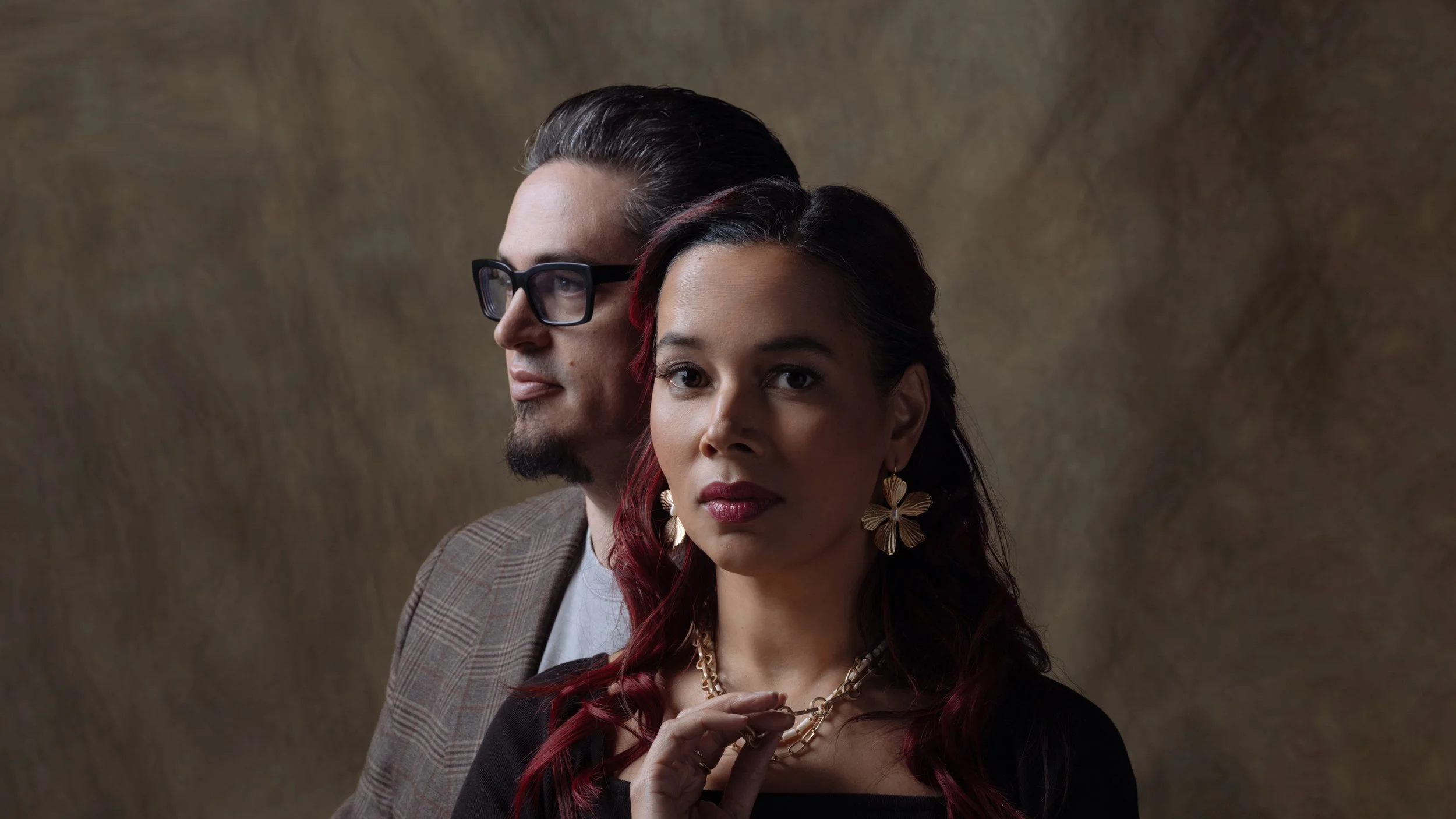
Rhiannon Giddens with Francesco Turrisi
Rhiannon has had a fruitful period of collaboration with Italian multi-instrumentalist Francesco Turrisi. Called “a musical alchemist” by the Irish Times, Turrisi is a Turin-born musician whose Dublin base reflects his global sensibilities. Through a chance musical meet-up in Ireland, they found that Giddens’ 19th century American minstrel banjo tunes and Turrisi’s traditional Sicilian Tamburello (tambourine) rhythms fit very naturally together.
Their second release, They’re Calling Me Home (Nonesuch, 2021), took home the GRAMMY Award for “Best Folk Album”. The twelve-track album was recorded with Turrisi in Ireland during the COVID-19 lockdown; it speaks of the longing for the comfort of home as well as the metaphorical “call home” of death, which was a tragic reality for so many during the crisis.
Their GRAMMY-nominated 2019 debut album there is no Other is at once a condemnation of “othering” and a celebration of the spread of ideas, connectivity, and shared experience. Tracing the movement of instruments, sounds, and musical language back and forth from Africa, the Arab world, Europe, and the Americas, there is no Other illuminates the blossoming that's possible when culture flows freely between peoples and lands.
“Timeless and utterly of this time. Filigree and ferocious in equal measure.”
— Irish Times
“For an album recorded in only five days, it wallops with impact. Giddens is going supernova, and it’s a blistering thing.”
— The Guardian
“This is acoustic roots music at its most glorious, and Giddens is fast becoming the genre’s brightest star in the firmament.”
— Uncut
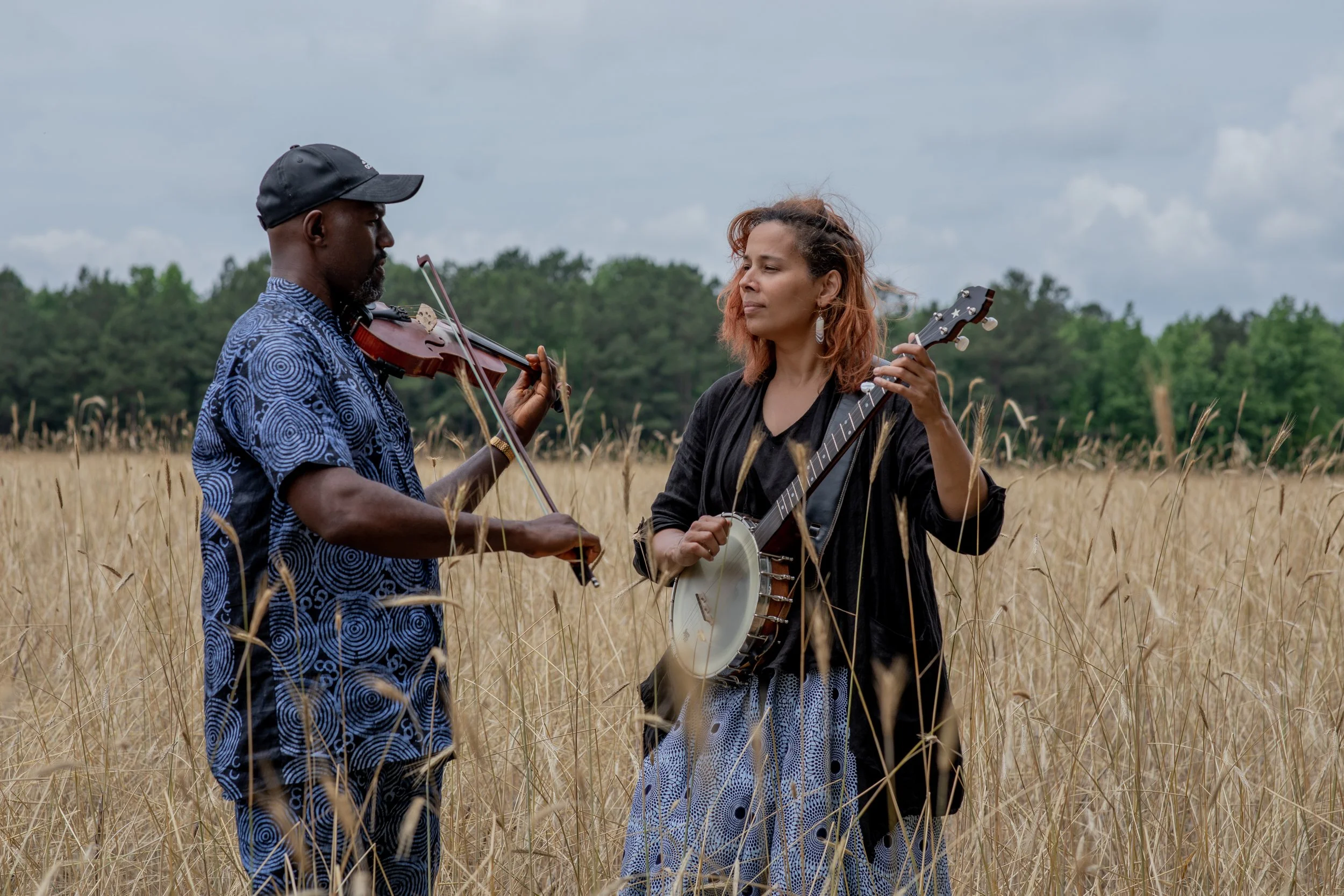
Rhiannon Giddens & Justin Robinson
Rhiannon Giddens reunited with her former Carolina Chocolate Drops bandmate Justin Robinson on their Grammy-nominated What Did the Blackbird Say to the Crow, an album of North Carolina fiddle and banjo music, out on Nonesuch Records. Produced by Giddens and Joseph "joebass" DeJarnette, the album features Giddens on banjo and Robinson on fiddle, with the duo playing eighteen of their favorite North Carolina tunes: a mix of instrumentals and tunes with words. Many were learned from their late mentor, the legendary North Carolina Piedmont musician Joe Thompson; one is from another musical hero, the late Etta Baker, from whom they also learned by listening to recordings of her playing. Giddens and Robinson recorded outdoors at Thompson’s and Baker’s North Carolina homes, as well as the former plantation Mill Prong House. They were accompanied by the sounds of nature, including cicada Brood XIX, creating a true emersive soundscape. A video of “Hook and Line,” a traditional tune from Joe Thompson’s repertoire and filmed at his home in Mebane, NC, may be seen here. It is the first tune Thompson ever learned; Giddens and Robinson continued the legacy by learning it from him.
“With the assaults on reality going on in the world today, we wanted to offer another kind of record, like walking back onto a gravel or dirt road while a stampede goes the other way,” Giddens says. “With the cicada choir, this record could’ve only happened at a certain time in the last 120 years. We doubled down on place, time, realness, and old-fashioned front porch music. It’s a reminder that another way exists, with music made for your community’s enjoyment and for dancing–not solely for commercial purposes.”
“Rhiannon Giddens is a flame-keeper. At any given moment, she is keeping history alive. Music alive. Stories alive. Authenticity alive.”
- VICE
Our Native Daughters
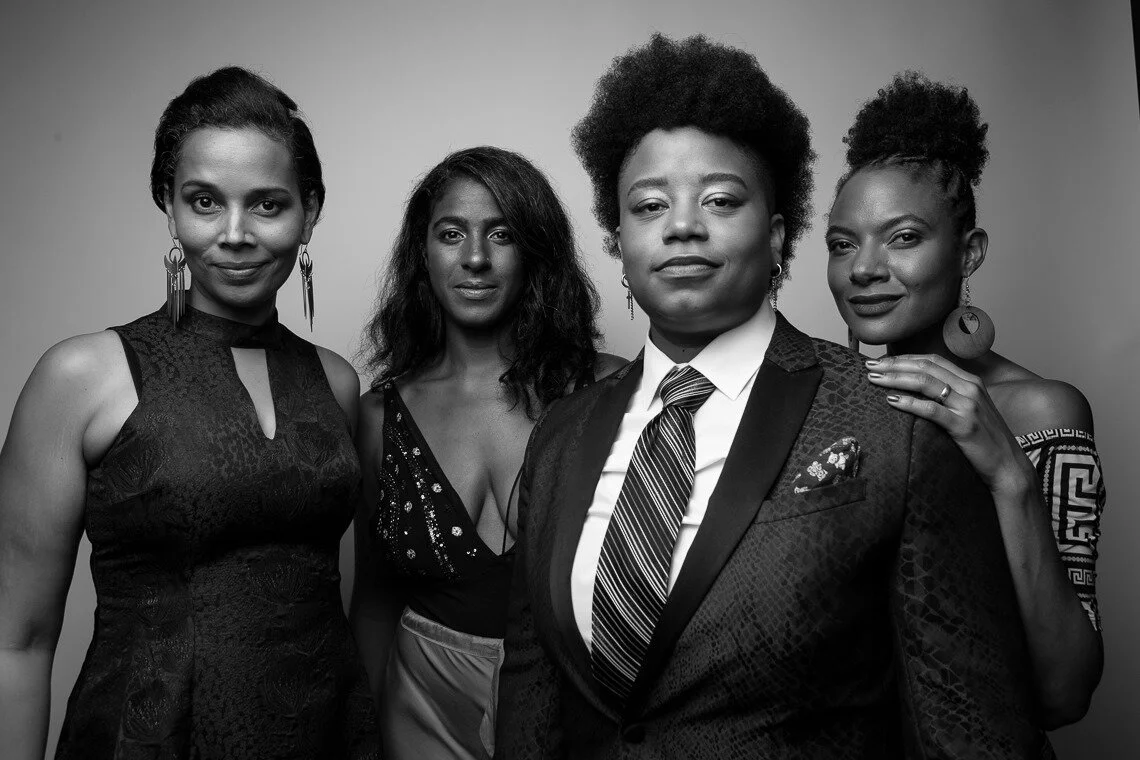
Our Native Daughters is a group made up of four Black female banjo players, Amythyst Kiah, Allison Russell, Leyla McCalla and Rhiannon Giddens. Their 2019 album, Songs of Our Native Daughters, co-produced by Giddens, was named one of the best albums of that year by NPR, and the group was nominated for duo / group of the year at the 2020 Americana Awards. The documentary film, Songs of Our Native Daughters, aired in February 2020 on Smithsonian Channel.
“Offers a glimpse of the strength and solidarity necessary in dark times.”
— Time
“Songs Of Our Native Daughters’ lays out crucial, updated framework for Americana.”
— NPR
“Adds context and sound to the complex story of black Americans, a story that all people could learn from and connect to.”
— Downbeat
Carolina Chocolate Drops
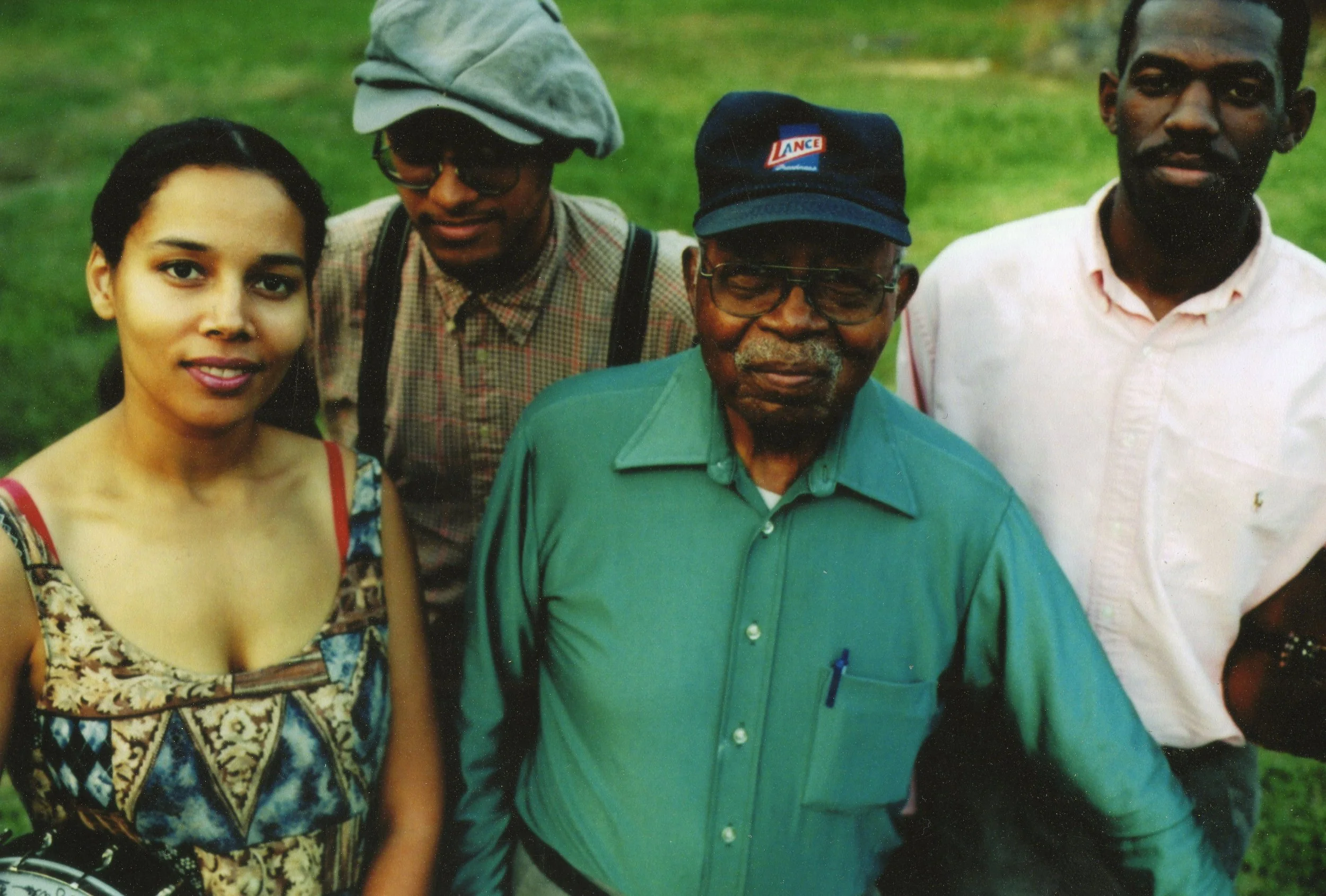
The Carolina Chocolate Drops were an innovative Black string band founded in 2006. The original members — Dom Flemons, Rhiannon Giddens, and Justin Robinson, with assists from Sule Greg Wilson — spent a lot of time with the revered string band elder Joe Thompson, an 86-year-old fiddler from Mebane, North Carolina. His music formed the core of their original setlist, but blues, jug-band numbers, originals, novelty songs, ballads and other kinds of Americana rounded out their repertoire. They won the Traditional Folk Music GRAMMY in 2010 for their Nonesuch Release, Genuine Negro Jig. Over the years, different musicians came on board as part of the tradition, including Malcom Parson, Hubby Jenkins, Rowan Corbett, and Leyla McCalla. The group is no longer together but they have inspired a new generation of musicians of color to pick up the banjo, bones, and fiddle. More info.